Financial Fraud Is Becoming More Sophisticated
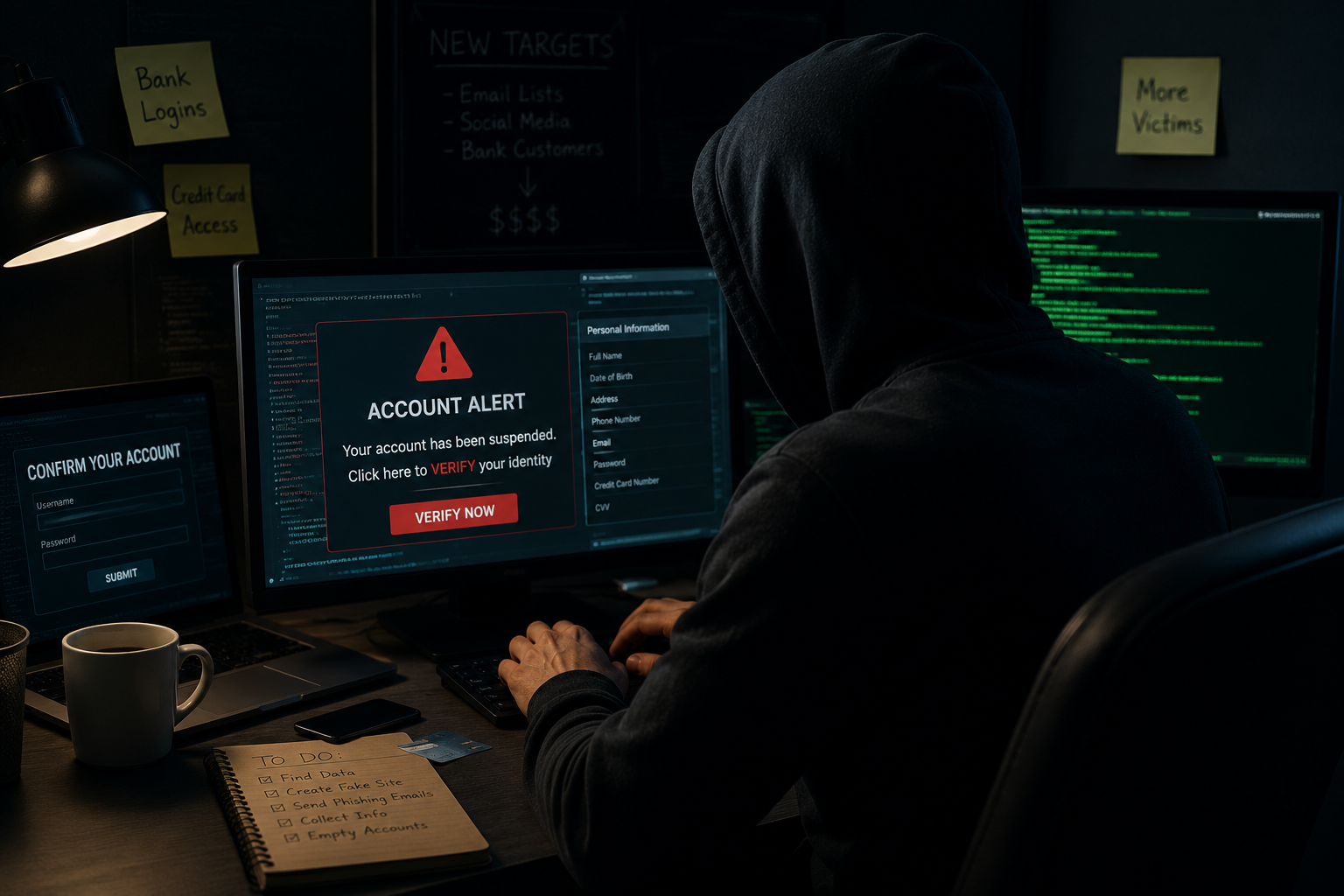
Financial fraud has always existed, but the methods used by scammers continue to evolve. Advances in technology, including artificial intelligence, have made it easier to create convincing phone calls, emails, text messages, and even videos that appear to come from trusted people or organizations.
A recent survey by the CFP Board found that many Americans expect either themselves or someone close to them to be targeted by a financial scam within the next year. The study also found that a majority of respondents had either experienced financial fraud personally or knew someone who had in the past few years.
While many people feel confident they could recognize a scam, fraud attempts are becoming increasingly personalized. Messages may include your real name, account information, or references to recent activity, making them appear much more legitimate than traditional phishing emails. AI-generated voices and deepfake videos are adding another layer of complexity.
Some of the most common scams continue to involve text messages, emails, and phone calls claiming to be from banks, government agencies, package delivery services, or other familiar organizations. Investment scams promoted through social media and fake celebrity endorsements have also become more common.
One important lesson from the research is that scammers often rely on creating a sense of urgency. They want people to act before they have time to stop, verify the information, or ask someone they trust for a second opinion.
The report also found that many victims never report financial fraud. Some are unsure who to contact, while others feel embarrassed or believe the loss was too small to matter. Unfortunately, delaying action can make it more difficult to recover lost funds.
If you believe you may have been targeted by a financial scam, acting quickly is important. Contact your bank or credit card company as soon as possible, change any compromised passwords, and report the incident to the appropriate authorities if necessary.
Technology will continue to change, and so will financial fraud. Taking a few extra moments to verify unexpected requests for money or personal information can often be one of the simplest and most effective ways to protect yourself and your loved ones.
Source: CFP Board, Don't Fall For It: Guarding Against Financial Fraud (2026 Survey).
Here to make everyday money decisions easier,
Better Money Solutions
