Managing Irregular Expenses
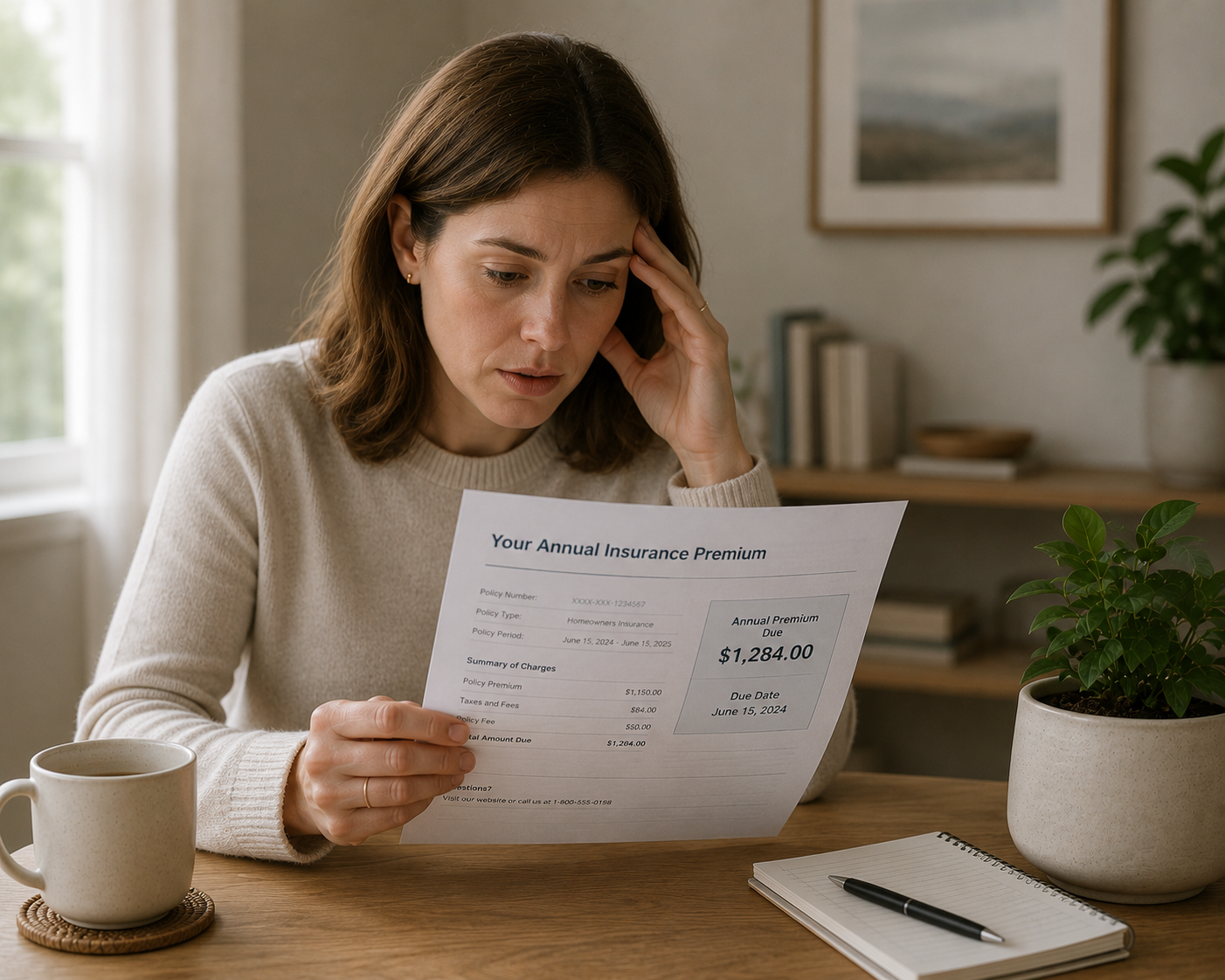
Many expenses feel unexpected even though we know they're coming. Insurance premiums, property taxes, vehicle registration, holiday spending, and home maintenance don't happen every month, which can make them feel disruptive when they arrive.
While some expenses truly are surprises—such as a major car repair or an unexpected medical bill—many irregular expenses are predictable. A good first step is to look back over the last year and identify expenses that occur quarterly, annually, or only from time to time. Even a quarterly bill can feel like a surprise after several months have passed.
Once you've identified these expenses, there are several ways to plan ahead. One approach is to estimate the annual cost and divide it by 12, setting aside a portion each month. This is often referred to as a sinking fund. Some people prefer to keep these funds in separate savings accounts, while others use a spreadsheet or budgeting tool to track how much of their savings is earmarked for future expenses.
Another approach is to maintain a larger cash buffer and pay irregular expenses as they arise. There is no single right method. The best system is often the one that is simple enough to maintain consistently.
The key is recognizing the difference between irregular expenses and emergencies. A car breaking down unexpectedly may require an emergency fund. Routine maintenance, oil changes, tires, and other predictable vehicle expenses are part of ongoing ownership costs and can often be planned for in advance.
How you manage irregular expenses is a personal choice, but the goal is the same: avoid letting predictable expenses catch you off guard. They may not occur every month, but they're still part of your financial picture.
Here to make everyday money decisions easier,
Better Money Solutions
