Paying Down Debt vs. Saving
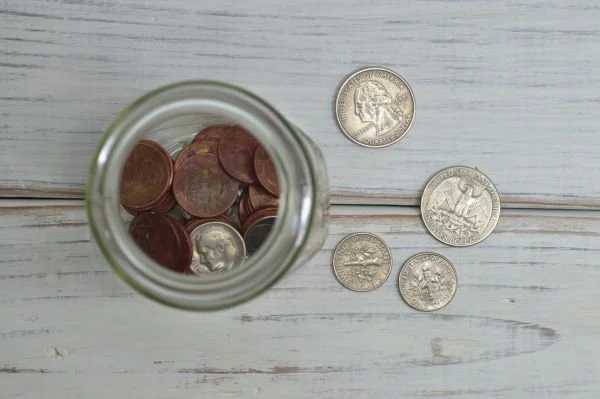
Ideally, many people would like to make progress on both paying down debt and building savings at the same time. In reality, this is not always possible, and choosing where to focus first often involves tradeoffs.
One of the first factors to consider is the type of debt and the interest rate being charged.
Credit card debt often carries relatively high interest rates, sometimes exceeding 20%. When interest rates are high, balances can grow quickly, especially if only minimum payments are made. Because of this, many people choose to prioritize paying down high-interest debt before focusing heavily on additional savings.
Having at least a small savings buffer can still be helpful, but high-interest debt can make it difficult to make progress if left unaddressed for long periods of time.
Other types of debt, such as car loans, mortgages, or student loans, often carry lower interest rates than revolving debt like credit cards. Waiting to fully pay off these types of loans before saving could take many years, which is why some people choose to balance both goals at the same time.
In these situations, it is common to direct some money toward savings while also continuing to make steady progress on debt.
There is no single solution that works for everyone. The decision is often influenced not only by numbers, but also by personal comfort and financial confidence.
One practical approach is to first focus on reducing high-interest debt, then begin building an emergency fund, and eventually divide additional resources between saving and paying down remaining debt.
For those who have access to a workplace retirement plan such as a 401(k), some people consider contributing enough to receive any available employer match, even while paying down debt. Employer matching contributions can provide additional long-term value. Others may prefer to focus fully on debt reduction first.
Both approaches can be reasonable depending on individual priorities.
Progress in either direction can improve financial stability over time.
Here to make everyday money decisions easier,
Better Money Solutions
