What Happens If You Miss a Credit Card Payment?
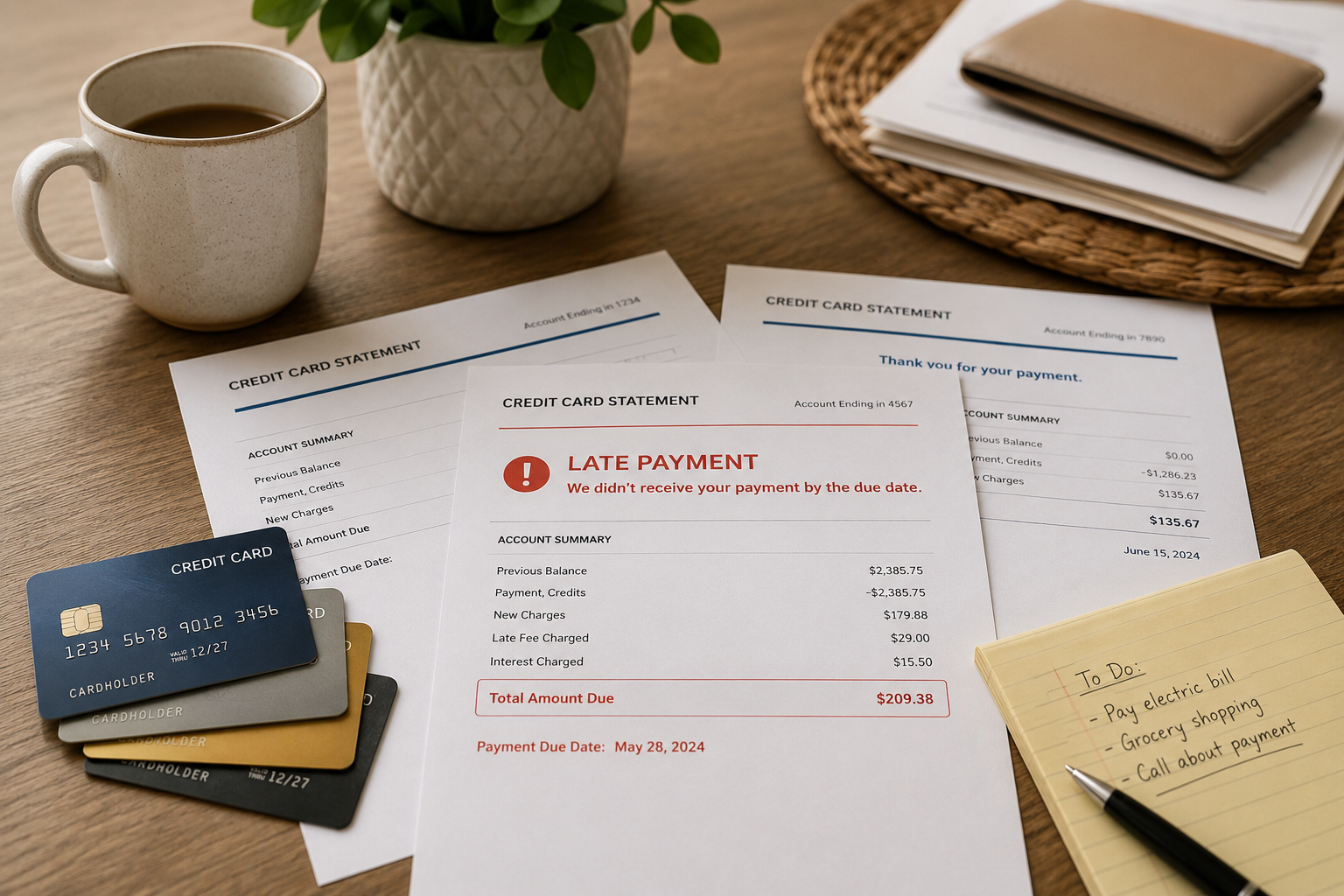
Missing a credit card payment can be stressful, but it's important to know that one mistake doesn't have to define your financial future. The sooner you act, the better your chances of limiting the impact.
If you miss your payment by just a few days, your credit card company may charge a late fee and interest will continue to accrue on any unpaid balance. However, a payment that's only a few days late typically isn't reported to the credit bureaus. Most card issuers don't report a late payment until it is 30 days past the due date.
Once a payment is reported as 30 days late, it can affect your credit score. For someone with good or excellent credit, a first reported late payment may lower a credit score by roughly 60 to 100 points, although the exact impact depends on your overall credit profile and the scoring model used.
The longer the payment remains unpaid, the more serious the consequences can become. Additional late payments may be reported at 60 and 90 days, causing further damage to your credit. If an account becomes severely delinquent, it could eventually be sent to collections or charged off by the lender.
If you realize you've missed a payment, make it as soon as possible. If it's your first late payment, consider calling your credit card company. Some issuers may be willing to waive a late fee as a one-time courtesy, especially if you have a history of paying on time.
The best way to avoid missed payments is to build a simple system. Automatic payments, payment reminders, or calendar alerts can help ensure you never miss a due date.
Credit cards can be a valuable financial tool when used responsibly. They can help build credit, provide purchase protections, and offer rewards. Like any financial tool, however, they work best when managed thoughtfully and payments are made on time.
Here to make everyday money decisions easier,
Better Money Solutions
