When the Market Goes Down: What to Expect
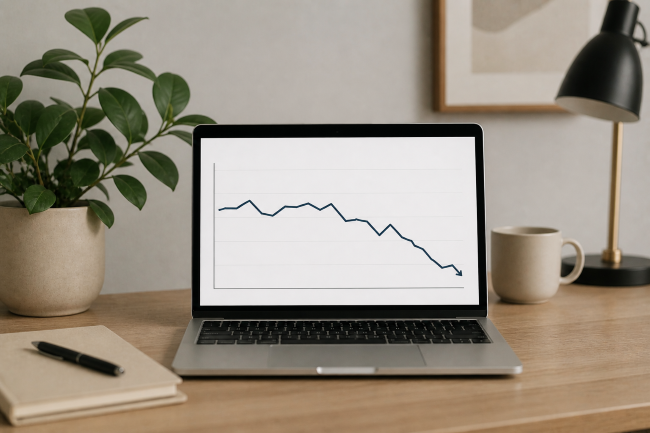
You will likely see a drop in your account balances.
Markets move up and down, and declines are a normal part of investing. It’s natural to have an emotional reaction when this happens, but for long-term investors, those emotions don’t need to lead to action.
Over time, markets have historically trended upward, even with periods of decline along the way. Short-term drops are part of that process and don’t need to derail a long-term plan.
In some cases, a market decline can even work in your favor. If you’re continuing to invest—such as through a 401(k) or by investing regularly—you may be buying at lower prices than before.
When markets drop, it’s also helpful to be cautious with headlines. They are often designed to sound urgent or extreme, even during relatively small declines. This can lead to unnecessary worry or decisions that don’t align with a long-term plan.
In many cases, investors who stay consistent tend to fare better than those who try to time when to get out and back into the market.
A market decline is not good or bad—it’s simply part of how markets behave. This doesn’t mean market declines are easy, but understanding that they are normal can make them easier to manage. What matters more is having a plan and being able to stick with it over time.
Here to make everyday money decisions easier,
Better Money Solutions
